Seasonality as an Agricultural Reality
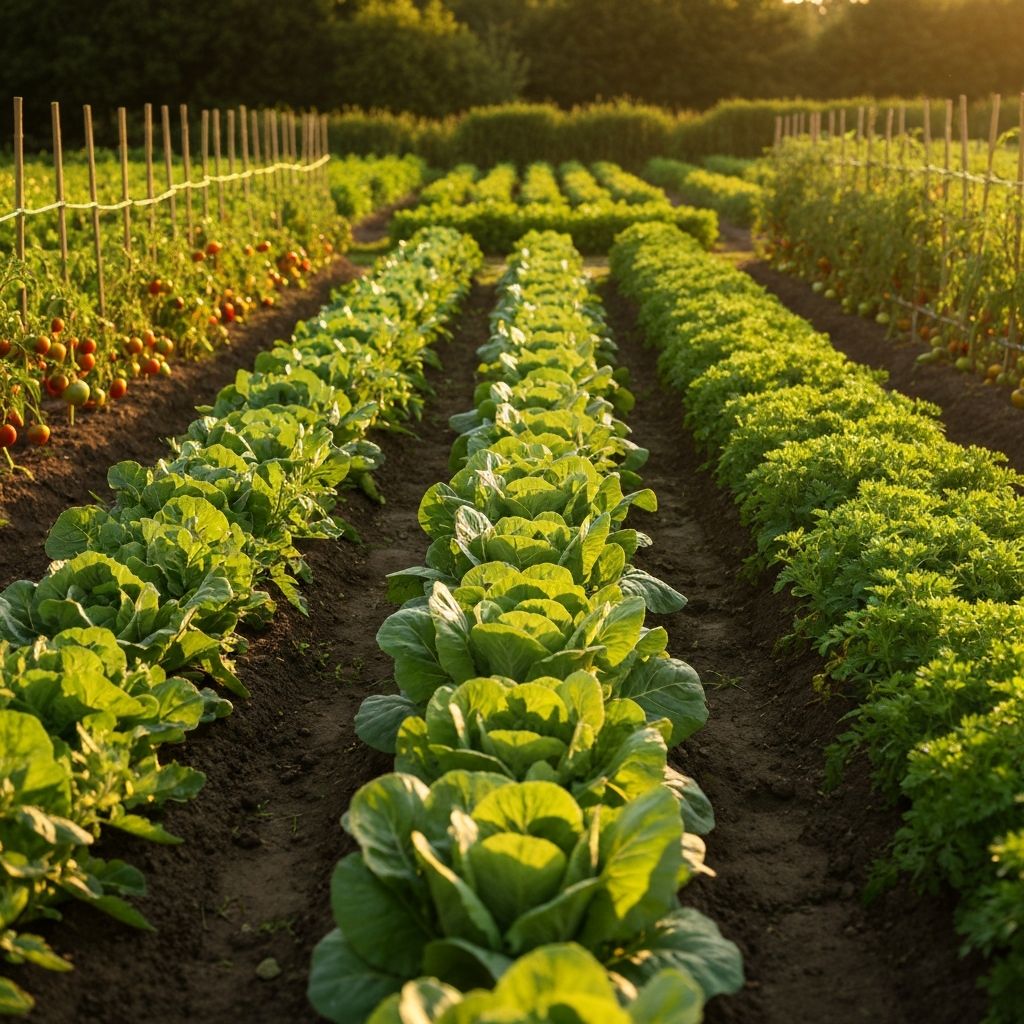
The seasonal availability of produce is a direct consequence of the biological cycles of cultivated and wild plants, modulated by local climate conditions including temperature, precipitation, and day-length. Before the widespread development of refrigeration and global logistics networks, the seasonal nature of food was a universal constraint shaping culinary traditions worldwide.
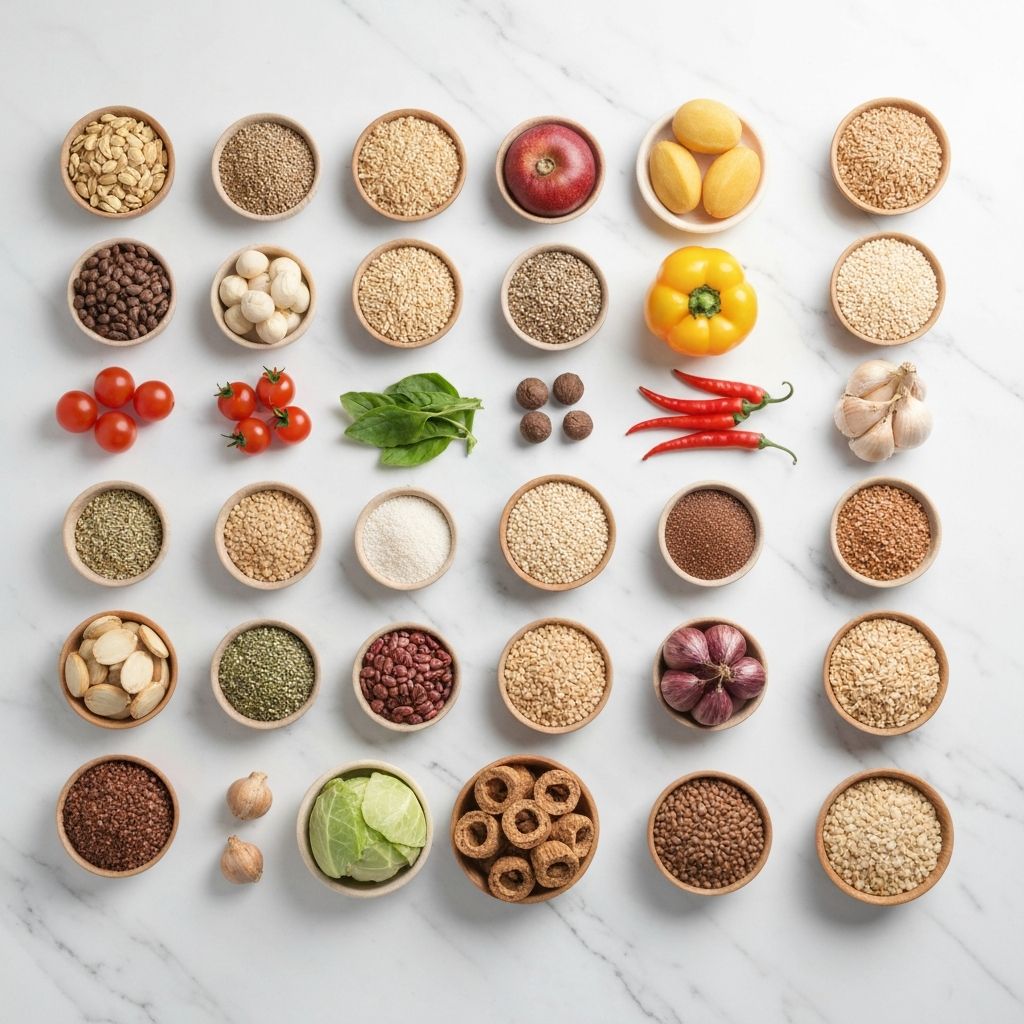
The concept of seasonal produce encompasses both the temporal dimension — the calendar period during which a crop reaches maturity in a given region — and the geographic dimension — the specific local conditions that determine the particular varieties adapted to each place. These two dimensions intersect to create the remarkable biodiversity of food traditions observed across different world regions.
The Economic and Environmental Context
From an economic perspective, locally produced seasonal crops typically reflect lower transportation costs and reduced energy expenditures in storage and artificial climate maintenance. From an environmental standpoint, the concept intersects with discussions about food miles, agricultural land use, water consumption patterns, and the carbon footprint of food systems — all subjects of active academic and policy research.
Cultural Significance of Seasonal Foods
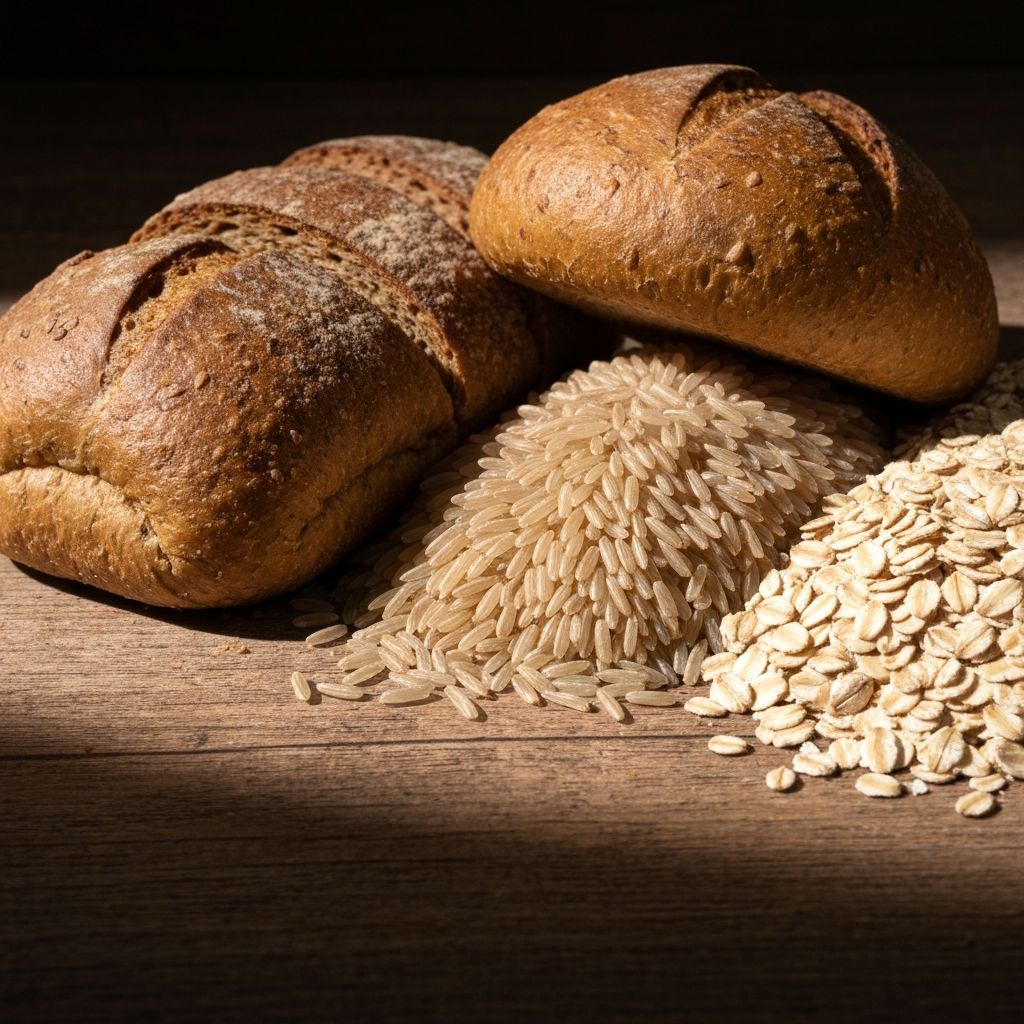
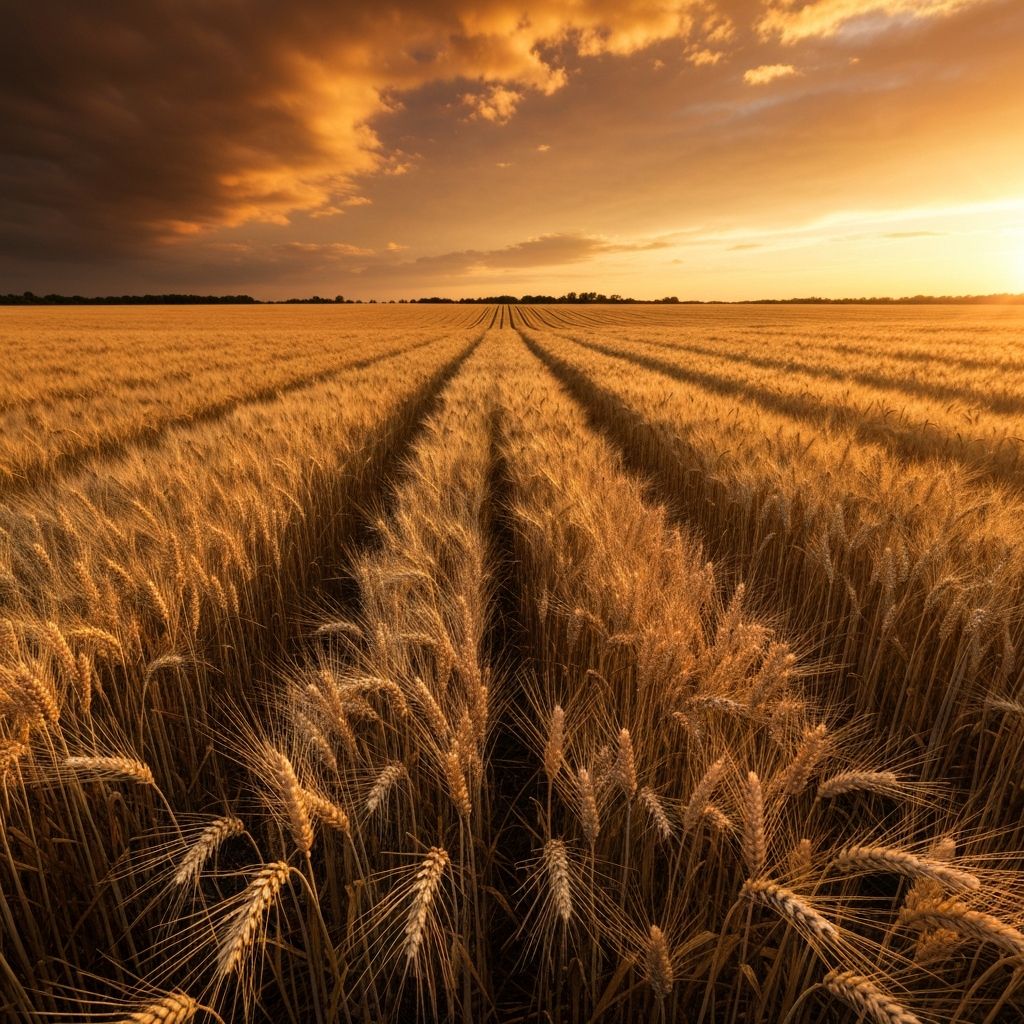
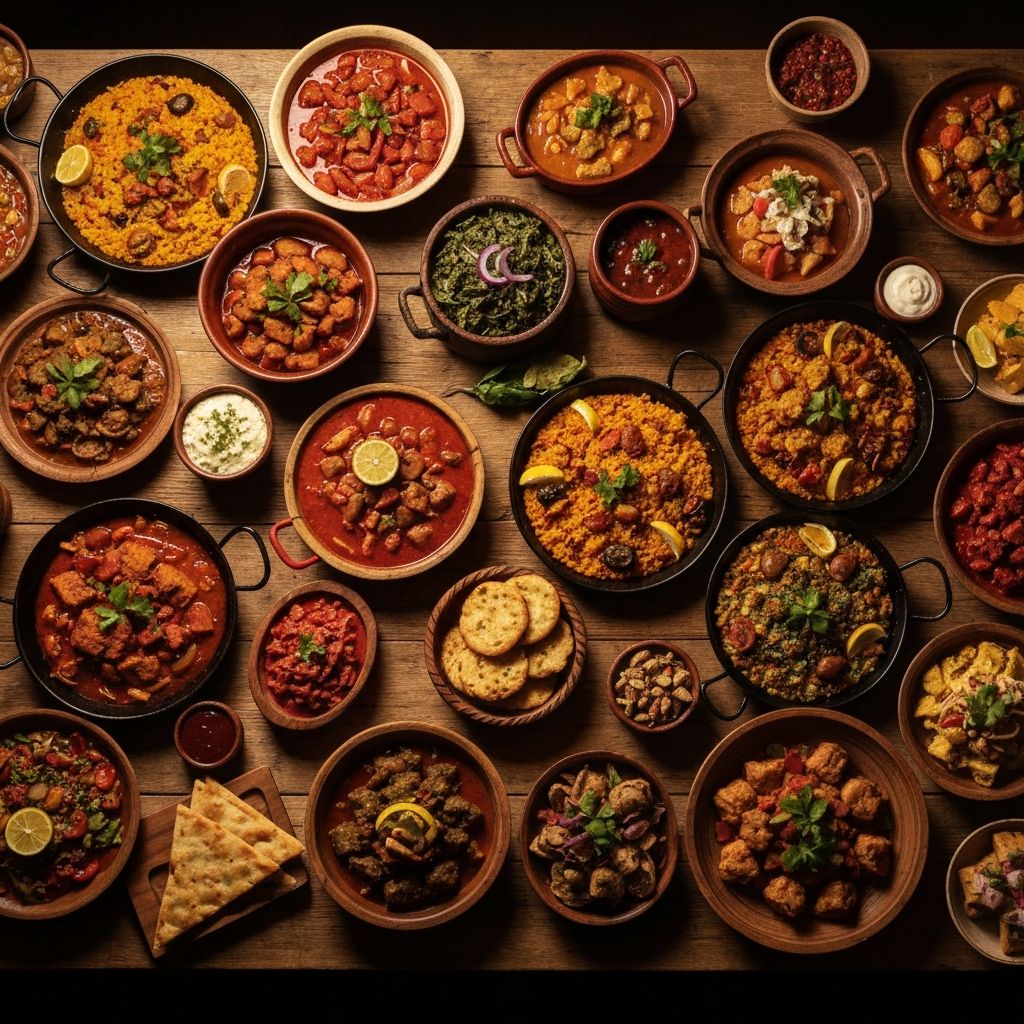
Across virtually all pre-industrial food cultures, seasonal produce anchored culinary calendars, religious observances, and community festivals. The harvest of key crops — wheat in temperate Europe, rice in East and Southeast Asia, maize in Mesoamerica — served as organizing events around which social and ceremonial life was structured, embedding food deeply within cultural identity.
Chile's Seasonal Produce Landscape
Chile's distinctive geography — an elongated territory spanning 38 degrees of latitude with Pacific coastline, Andean highlands, desert regions, and temperate southern zones — creates remarkable climatic diversity. This diversity supports the cultivation of Mediterranean crops (olives, grapes, stone fruits) in the central valley, cold-water seafood harvesting along the coast, and diverse vegetable production systems across the agricultural heartland.
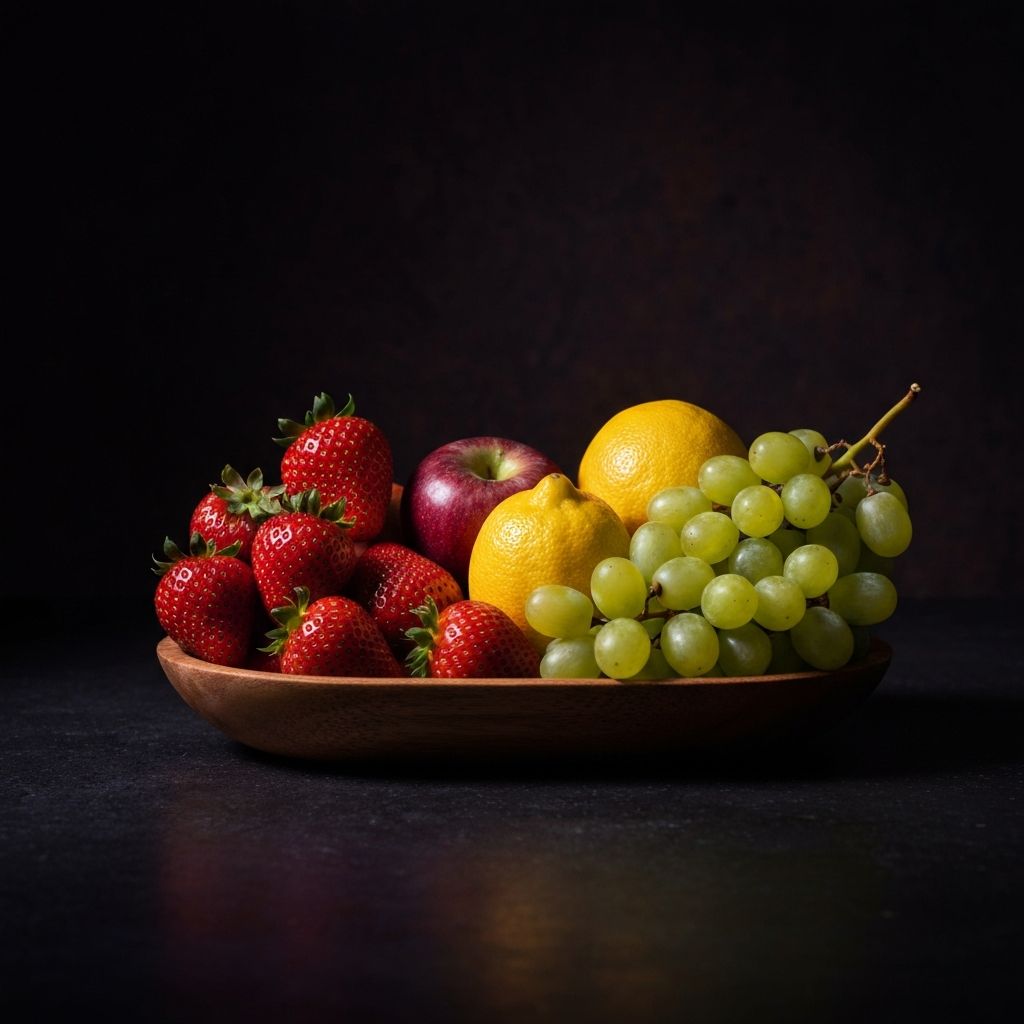
- Summer (December–February): stone fruits, berries, corn, tomatoes, peppers
- Autumn (March–May): grapes, apples, pears, quinces, nuts
- Winter (June–August): citrus, root vegetables, leafy greens, legumes
- Spring (September–November): asparagus, artichokes, early stone fruits
Southern Hemisphere Seasonality Note
Chile's location in the Southern Hemisphere means its seasonal calendar is inverted relative to Northern Hemisphere conventions. Chilean summer harvest occurs during the Northern Hemisphere's winter months, enabling year-round export of fresh produce to northern markets.